
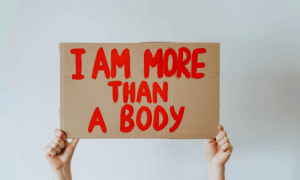
If you’re reading this, chances are you’ve tolerated breadcrumbs from men who should have been giving you the whole loaf. You’ve stayed in situationships hoping he’ll “realize your value.” You’ve over-functioned, over-given, and overlooked red flags because some part of you believed you couldn’t do better.
That’s not a character flaw. That’s low self-worth.
It determines who you attract, what you tolerate, and whether you end up married to the love of your life or wasting years on men who were never going to commit. It’s the single most important factor in your dating success, yet most women don’t truly understand what it is or how to build it.
Today we’re cutting through the noise. No fluff, no feel-good platitudes that don’t actually help. Just the hard truth about what self-worth really means and how to develop the kind that actually changes your relationship outcomes.
Key Takeaways
- Self-worth is your internal belief that you’re valuable regardless of achievements or approval
- Self-esteem is based on external factors; self-worth is unconditional and comes from within
- Low self-worth shows up as tolerating disrespect, seeking constant validation, and settling for less
- It is developed through consistent self-honoring actions, not positive thinking alone
- Your self-worth determines which men you attract and what treatment you accept
- Building genuine self-worth is the foundation for attracting committed, high-quality relationships
What Is Self-Worth? The Real Definition
Self-worth is your evaluation of yourself as a valuable, capable human being deserving of consideration and respect. It’s your internal sense of being worthy of love and belonging from others.
But here’s where most definitions fall short: this concept isn’t just about how you think or feel about yourself. It’s a deep, unwavering knowing that you have inherent value simply because you exist and not because of what you do, achieve, or how others perceive you.
The American Psychological Association defines self-worth as the internal sense of being worthy of love, independent of external validation. This is crucial for women in dating: your worth isn’t determined by whether he texts back, commits, or chooses you. Your worth is a fixed baseline that exists whether he sees it or not.
Self-Worth vs. Self-Esteem
Most people use these terms interchangeably, but understanding the distinction will change how you approach dating.
Self-esteem is what you think and feel about yourself based on external factors like your accomplishments, successes, abilities, and how others respond to you. Self-esteem fluctuates. You can have high self-esteem at work (you’re crushing it in your career) and low self-esteem in dating (you’re still single and feeling rejected).
Self-worth is recognizing you are greater than all those external measures. It’s a deep knowing that you are of value, loveable, and worthy regardless of circumstances, performance, or others’ opinions.
Here’s why this matters in dating: if your sense of value depends on self-esteem alone, every rejection chips away at it. Every unanswered text becomes evidence you’re not enough. Every guy who doesn’t commit proves you’re unworthy.
But when you have genuine self-worth, you understand that his inability to see your value says nothing about your actual value. His choice to not choose you doesn’t decrease your worth, it simply reveals his inability to recognize quality.
How Low Self-Worth Destroys Your Dating Life
Low self-worth doesn’t just make dating harder. It fundamentally alters who you attract and what you accept.
You Tolerate Disrespect
When you don’t value yourself, you accept treatment from men that women with high self-worth would reject immediately. Inconsistent texting. Last-minute plans. Being kept a secret. Breadcrumbing. Future-faking.
You rationalize it: “He’s busy.” “He’s been hurt before.” “I’m being too demanding.” Meanwhile, your needs go unmet and your standards erode further with each compromise.
You Seek Constant Validation
Low self-worth creates an insatiable need for external proof that you’re valuable. You analyze every text for hidden meaning. You fish for compliments. You need constant reassurance: “Are you still interested?” “Did I do something wrong?” “Are we okay?”
This validation-seeking behavior repels quality men. They sense your desperation for approval and either pull away or exploit it.
You Over-Function and Over-Give
Women with low self-worth believe they must earn love through constant giving. You become his therapist, project manager, cheerleader, and mother all while getting minimal reciprocation.
You initiate most conversations. You plan dates. You accommodate his schedule while sacrificing your own. You give advice he doesn’t follow. You solve problems he should handle himself.
The relationship becomes completely imbalanced, with you doing all the emotional labor while he coasts.
You Accept Crumbs
Low self-worth makes you grateful for the bare minimum. He texts you once a week? At least he’s thinking of you. He sees you when it’s convenient for him? At least you’re seeing him. He won’t define the relationship? At least you’re spending time together.
You celebrate crumbs like they’re full meals because you don’t believe you deserve the whole feast.
You Lose Yourself Completely
When you don’t have a solid sense of self-worth, you shape-shift to become whoever you think he wants. You adopt his interests. You mirror his opinions. You abandon your friends. You change your appearance to match his preferences.
Eventually, you look in the mirror and don’t recognize the woman staring back. You’ve erased yourself trying to become “enough” for someone who was never right for you.
You Stay Too Long
Perhaps the most damaging effect: low self-worth keeps you in relationships that should have ended months or years ago. You know he’s not the one. You see the incompatibility. But the fear of being alone feels worse than the pain of staying.
So you stay, hoping he’ll change, waiting for him to wake up and see your value, wasting your most fertile years on a man who will never give you what you need.
Where Low Self-Worth Comes From
Self-worth often forms in childhood based on how your primary caregivers responded to you. If your needs were consistently met with warmth and validation, you likely developed healthy self-worth. If your needs were dismissed, criticized, or met inconsistently, you probably internalized the message that you’re not inherently worthy of love.
Other contributing factors include:
- Childhood experiences: Growing up in critical, neglectful, or abusive environments plants seeds of self-doubt
- Past relationships: Betrayal, rejection, or emotionally unavailable partners damage trust and erode self-worth
- Societal conditioning: Women are socialized to be people-pleasers, to not take up space, to earn love through service
- Trauma: Unaddressed trauma fundamentally alters how you view your worthiness of love and respect
The pattern becomes self-reinforcing: low self-worth leads to poor relationship choices, which creates more evidence that you’re unworthy, which lowers your self-worth further.
How to Build Genuine Self-Worth
Building self-worth isn’t about affirmations in the mirror or positive thinking. It’s about fundamentally changing how you treat yourself through consistent, self-honoring actions.
Stop Seeking External Validation
Your worth isn’t determined by whether men pursue you, commit to you, or choose you. Stop looking to romantic partners to fill the void that only you can fill.
This means catching yourself when you’re seeking approval or reassurance and learning to self-soothe instead. When you want to text him asking if everything’s okay, pause. When you want his validation that you look good, pause. Ask yourself: “What do I think? What do I know?”
Honor Your Boundaries and Needs
Self-worth is built through self-trust, and self-trust is built by honoring your own boundaries and needs.
If you say you won’t accept inconsistent communication but then respond enthusiastically to his sporadic texts, you’re teaching yourself that your boundaries don’t matter. If you need emotional availability but stay with someone emotionally unavailable, you’re reinforcing the belief that your needs aren’t important.
Every time you honor a boundary or meet your own needs, you deposit into your self-worth account. Every time you betray yourself to keep someone else, you withdraw from it.
Stop Apologizing for Existing
Women with low self-worth apologize constantly for having feelings, needing things, taking up space, having standards, or expressing preferences.
Practice catching yourself apologizing when you’ve done nothing wrong. Stop saying “I’m sorry, but…” before stating a preference or need. You don’t need to apologize for being human.
End Relationships That Diminish You
If you’re in a relationship with someone who consistently makes you feel small, unimportant, or not enough, leaving is the ultimate self-worth building exercise.
Staying in a diminishing relationship sends your subconscious the message: “I don’t deserve better than this.” Walking away sends the message: “My wellbeing matters more than my fear of being alone.”
This applies to friendships too. Your self-worth will never fully develop while you’re surrounded by people who don’t value you.
Invest in Your Own Life
Self-worth grows when you build a life you actually love, independent of relationship status. Develop genuine interests. Cultivate real friendships. Pursue meaningful work. Create beauty in your environment. Take care of your body and mind.
When you have a rich, fulfilling life of your own, you stop seeing a relationship as the source of your worth. It becomes an addition to an already valuable life, not a requirement for feeling valuable.
Practice Self-Compassion
Self-worth and self-criticism cannot coexist. The harsh inner voice that tells you you’re not enough, too much, unloveable, or fundamentally flawed actively destroys your sense of worth.
Notice your inner dialogue. Would you speak to your best friend the way you speak to yourself? Replace self-criticism with self-compassion: acknowledge mistakes without defining yourself by them, comfort yourself in pain rather than berating yourself for feeling it.
Choose Partners Who See Your Value
When you develop genuine self-worth, you naturally become more selective. You stop trying to convince unavailable men of your worth and start filtering for men who already recognize it.
A man with secure attachment and genuine interest doesn’t need convincing. He sees your value and pursues accordingly. He’s consistent. He invests. He respects your boundaries. He wants to commit.
Dating becomes simpler when your self-worth is solid: you’re not asking “How do I get him to like me?” You’re asking “Does his behavior demonstrate that he’s worthy of me?”
The Truth About Self-Worth and Dating Success
Here’s what the dating industry won’t tell you: no amount of dating strategy, feminine energy practices, or communication techniques will work if your self-worth is in the basement.
You can learn all the “right” moves, but if you don’t fundamentally believe you deserve committed love from a quality man, you’ll still end up accepting less.
Conversely, when your self-worth is genuinely solid, dating becomes dramatically easier. You’re not desperate for any relationship. You’re discerning about which relationship you want. You don’t tolerate poor treatment because you know you have other options, even if that option is yourself.
Men sense this. They can feel the difference between a woman who needs their validation and a woman who knows her value with or without them. The latter is infinitely more attractive.
Signs Your Self-Worth Is Growing
How do you know if you’re building real self-worth? Watch for these shifts:
- You can receive a compliment without deflecting or downplaying
- You feel uncomfortable when someone treats you poorly, and you act on that discomfort
- You stop checking his social media or obsessing over texts
- You end dates early when you’re not feeling it rather than forcing yourself through
- You stop explaining or defending your standards to people who don’t meet them
- You feel genuinely okay being single rather than desperately seeking a relationship
- You notice red flags immediately and actually walk away from them
- You stop giving multiple chances to people who showed you exactly who they are
Conclusion
Self-worth isn’t built overnight. It’s developed through thousands of small choices to honor yourself over settling, to value your needs over others’ approval, to walk away from what diminishes you even when it’s uncomfortable.
Start today with one self-honoring action. Maybe it’s not responding to that breadcrumbing text. Maybe it’s ending a situationship that’s going nowhere. Maybe it’s simply noticing when you apologize unnecessarily and stopping.
Each choice builds on the last. Each boundary honored increases your self-trust. Each time you choose yourself, you reinforce the truth: you are inherently valuable, regardless of who sees it.
The relationship you want – the committed, respectful, lasting partnership doesn’t start with finding the right man. It starts with knowing your own worth and refusing to accept anything less than someone who recognizes it too.
Get this right, and everything else falls into place.
With love,
Leena X
FAQ
What is the meaning of self-worth?
Self-worth is your internal sense of value as a person, independent of achievements, appearance, or approval from others. It reflects how much respect, compassion, and acceptance you give yourself. Healthy self-worth allows you to set boundaries, make confident choices, and maintain balanced relationships.
How do I find my self-worth?
You find your self-worth by reconnecting with your values, recognizing your needs, and treating yourself with respect. Practice self-compassion, challenge negative self-talk, set boundaries, and surround yourself with supportive people. Therapy, journaling, and reflection can help rebuild a strong sense of self-worth.
What is an example of self-worth?
An example of self-worth is saying no to situations that don’t align with your values, even when approval is at stake. It’s choosing self-respect over people-pleasing, valuing your feelings, and believing you deserve kindness, effort, and healthy relationships.
What is your true self-worth?
Your true self-worth is inherent and not earned through success, productivity, or validation. It exists simply because you are human. Recognizing your true self-worth means understanding that your value remains constant, regardless of mistakes, rejection, or life circumstances.